SmartGATE active power management
Protect the capital inside your buildings.
Commercial buildings contain millions of dollars in critical equipment. Excess incoming voltage can quietly accelerate equipment aging, increase maintenance costs, and pull replacement spending forward. SmartGATE actively manages voltage at the service entrance to reduce equipment stress, extend asset life, and make capital planning more predictable.
The hidden risk
An overlooked source of capital exposure.
Utility-delivered voltage can fall within accepted ranges while still operating above the design conditions of the equipment inside your building. Over time, that gap increases electrical and thermal stress across HVAC, motors, pumps, elevators, switchgear, controls, and Life/Safety systems.
Continued operation above equipment design conditions increases cumulative stress, shortens expected asset life, and can pull replacement spending forward.
Within utility tolerance does not always mean aligned with your equipment. That difference can become a material capital-planning risk.
Example from a 150,000 sq. ft. commercial building
How SmartGATE works
Measure the exposure. Manage the voltage. Verify the impact.
SmartGATE turns an invisible electrical condition into a measurable capital-protection strategy. Legend Power identifies the exposure, actively manages voltage at the service entrance, and verifies the resulting improvement.
Power Impact Assessment
Measure incoming voltage, compare it with equipment design conditions, and quantify the resulting equipment-life and capital exposure.
SmartGATE installation
Install SmartGATE at the main service entrance to actively regulate incoming voltage and bring operating conditions closer to equipment design requirements.
Measurement & Verification
Confirm the achieved voltage reduction and document the resulting improvement using independent measurement and verification.
The result is lower equipment stress, longer asset life, and more predictable maintenance and replacement costs.
Validated in operating buildings
Real-world results. More predictable capital performance.
Legend Power analyzed commercial buildings with mature SmartGATE deployments using independent measurement and verification, utility data, and transaction-level maintenance records. Results show lower maintenance and replacement spending, less year-to-year cost volatility, and more predictable capital performance.
Energy savings provide an additional benefit, averaging 2.5–4.0% across the broader SmartGATE portfolio.
Portfolio-scale capital exposure
Capital exposure compounds across the portfolio.
Protecting individual systems becomes a portfolio-level strategy — preserving asset value and reducing long-term capital exposure across capital-intensive holdings.
Modeled using estimated premature capital exposure of $1.5–$3 million per building.
| Portfolio size | Low estimate | High estimate |
|---|---|---|
| 20 buildings | $30M | $60M |
| 50 buildings | $75M | $150M |
| 100 buildings | $150M | $300M |
Where it matters most
Capital protection for infrastructure-intensive buildings.
The opportunity is greatest in buildings with high-value, electrically dependent systems, continuous operating demands, and long-term capital-planning horizons.

Class-A office →
HVAC, elevators, controls, and Life/Safety systems directly support tenant experience, operating performance, and long-term asset value.

Healthcare →
Continuous operations and critical building infrastructure make system reliability, equipment life, and cost predictability especially important.
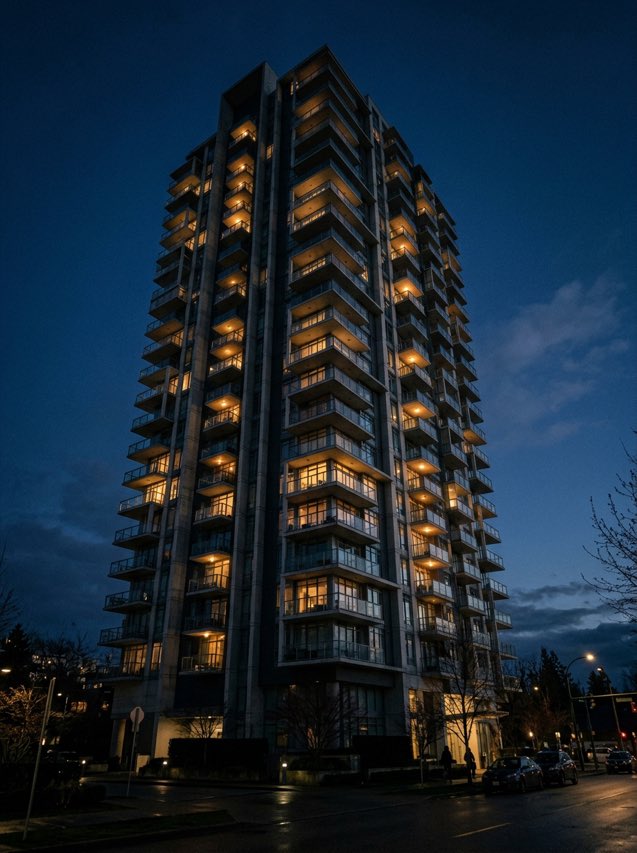
Multifamily →
Shared mechanical and electrical infrastructure creates repeatable capital exposure across individual buildings and larger portfolios.

Education →
Long replacement cycles and constrained capital budgets increase the value of extending equipment life and improving forecast accuracy.

Industrial →
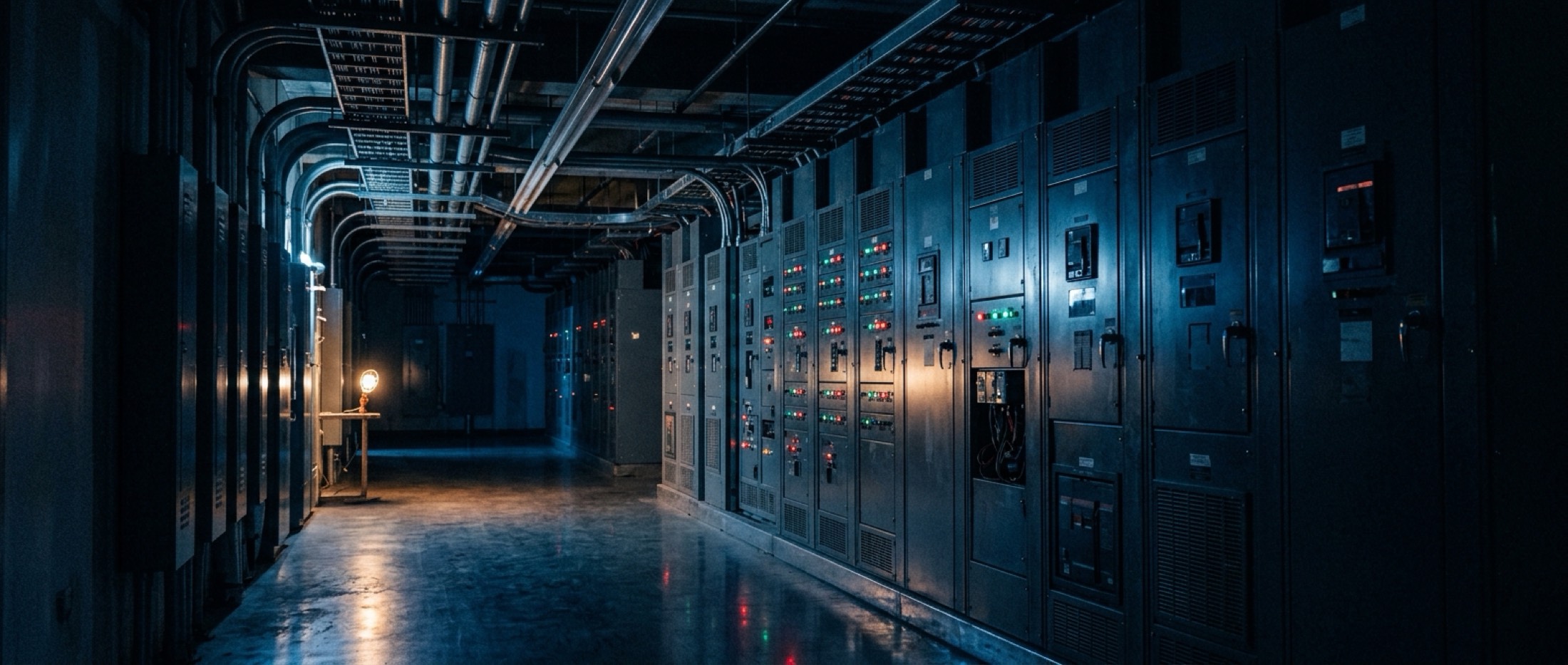
Motors, drives, pumps, controls, and production equipment concentrate electrical stress in systems essential to daily operations.
Start with measurement
See what excess voltage is costing your building.
A Power Impact Assessment compares incoming voltage with equipment design conditions and translates the gap into estimated impacts on equipment life, maintenance costs, replacement timing, and capital planning.