![Voltage Reduction Testing]()
by Web Team | Oct 30, 2015 | Commercial & Industrial Power Conservation, Electrical Harmonizer-AVR, Voltage Optimization, Voltage Regulation
Participate in IESO’s Voltage Reduction Testing and discover the opportunity of energy conservation. Every 18 months for over the past 20 years, the Independent Electricity System Operator (IESO) performs voltage reduction tests of three and five percent within...
![Voltage Reduction Testing]()
by Web Team | Oct 28, 2015 | Commercial & Industrial Power Conservation, Electrical Harmonizer-AVR, Voltage Optimization, Voltage Regulation
Reduce your building’s voltage consumption with Legend Power Systems and conserve energy. Conservation Voltage Reduction (CVR) has been implemented by power facilities for many years in an effort to save energy. In the past, CVR was only used in instances when...
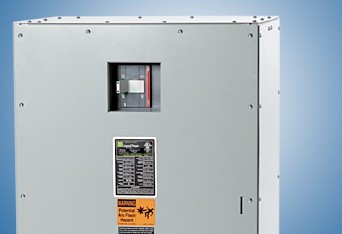
by Web Team | Jan 7, 2015 | Commercial Energy Conservation, Electrical Harmonizer-AVR, Save Power, Voltage Optimization, Voltage Regulation
It’s a new year. And it’s about time for a new energy saving solution. Among some of the most popular New Year’s resolutions are to save money, to make healthier decisions and to help protect the environment. More specifically, many of us make...
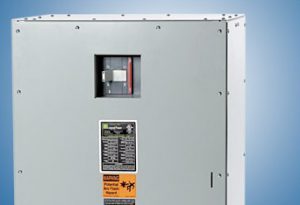
by Web Team | Nov 26, 2014 | Commercial Energy Conservation, Electrical Harmonizer-AVR, Featured News, Legend Power Updates, Save Power, Voltage Regulation
Legend Power is proud to be working with Canadian Tire in an effort to reduce the retailer’s carbon footprint and energy costs. Although retail stores are most likely not the first corporations that come to mind when you think of energy efficiency and...
![Voltage Reduction Testing]()
by Web Team | Nov 17, 2014 | Commercial & Industrial Power Conservation, Commercial Energy Conservation, Save Power, Voltage Optimization, Voltage Regulation
Legend Power makes it easy to go green at the office and save money! Going green has a lot of perks. By far one of it’s biggest perks, both at home and in the corporate world, is the money you can save by going green! No matter how small a change you make, your...

by Web Team | Aug 1, 2014 | Commercial Energy Conservation, Energy Audit, Save Power, Uncategorized, Voltage Optimization, Voltage Regulation
Know your voltage levels! Save the planet and save money, one volt at a time! Perhaps that’s an exaggeration. You will be saving much more than one volt at a time! With a little help from Legend Power, you can easily begin your journey towards sustainability,...

Recent Comments